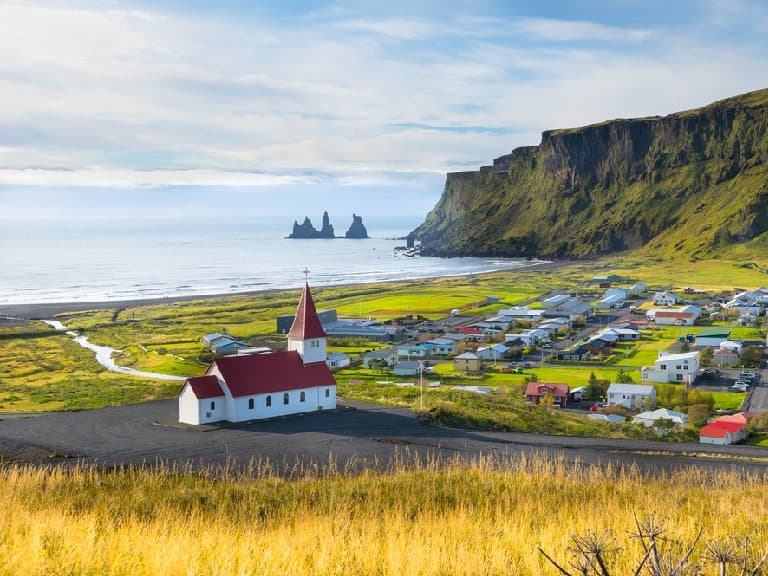
Best time to visit in Iceland
Peak Season: June to August
- Weather: This is the warmest time of the year, though "warm" in Iceland means 10°C to 15°C. It is often windy but generally bright. The most unique feature is the Midnight Sun in June, it stays bright for nearly 24 hours! The weather is drier than winter, with less rain and calmer winds.
- Travel Conditions: Safest time for road trips. Ferries to small islands run daily without cancellations from weather. All roads open, including the highlands; easy self-driving. Waterfalls look spectacular when water flows from melting glaciers, creating powerful views.
- Best Places to Visit: The Golden Circle, Thingvellir National Park, the South Coast waterfalls, and the full Ring Road. This is also the only time you can easily visit the Westfjords.
- Crowd Levels: Very High. Popular spots like Skógafoss waterfall, Blue Lagoon hot springs, and the Golden Circle will be crowded. Rental cars become very expensive and hard to find without early booking. You have to book 3 to 4 months ahead because hotels fill up fast.
- Things to Note: Hotel rates increase by 50 to 70% in summer, with July and August being the most expensive. Rental cars can cost 2 to 3 times more than in winter. Flights are also priciest in the busy June–July weeks. Book your hotels and rental cars at least 6 months in advance. The sun almost never sets in June. You have 20–22 hours of light to explore. You will need eye masks to sleep!
Shoulder Season: May & September
- Weather: 5-12°C, changeable with some rain; early northern lights possible. In May, the snow is melting, and the grass is turning green. Days are getting longer. In September, the temperature drops to 5°C to 10°C, and you may see the first dusting of snow.
- Travel Conditions: This is a good time to visit Iceland if you want to avoid the peak summer crowds. Driving is generally safe on the main Ring Road, though mountain roads might be closed. Most tours run as usual, just with fewer departures.
- Best Places to Visit: Reykjavik, the South Coast, Black Sand Beach, waterfalls, national parks and coastal towns.
- Crowd Levels: Moderate. You can enjoy the scenery with a bit more peace.
- Things to Note: Great value; check puffin season in May. Some attractions reduce daily operating hours. Daylight in May is around 18-20 hours daily and in September has 13-15 hours.
Off Peak Season: October to April
- Weather: Cold, windy, and snowy. Temperatures hover around 0°C to -5°C, but the wind chill makes it feel much colder. Snow covers most of the country, creating white, magical landscapes everywhere. Very short daylight hours. December gives only 4 -5 hours of light daily.
- Travel Conditions: Driving can be very dangerous for those not used to snow and ice. Roads can close suddenly due to storms. Very short daylight hours - December has only 4-5 hours of light daily. Opt for guided tours.
- Best Places to Visit: Ice Caves inside glaciers (only accessible in winter) and the Blue Lagoon. Reykjavik is excellent for indoor things - museums, nice restaurants, and heated swimming pools.
- Crowd Levels: Low. Except for Christmas week, it is quiet. Hotels run with fewer rooms, but the popular ones still book early during the northern lights season.
- Things to Note: Safety First: If you are not an expert at driving on ice, book guided tours instead of self-driving to stay safe. The sun rises around 11:00 AM and sets by 3:30 PM. You only have 4 hours of daylight for sightseeing. Plan your itinerary very carefully.
Which Months are best for Your Trip?
Honeymooners and Couples.
- November to February.
- It is romantic and cozy. Imagine staying in a glass igloo hotel watching the Northern Lights dance above you while you stay warm inside.
- Cozy romantic stays in countryside cottages with private outdoor hot tubs.
- September has comfortable, pleasant weather with a good possibility of aurora viewing.
Northern Light Seekers.
- October to March.
- You need pitch-black skies to see the Aurora Borealis.
- February and March are statistically excellent months because the weather is often clearer than in December.
- September and October offer early northern lights views with better weather than the freezing winter.
- A 3 to 4 nights stay gives you a better chance of getting clear skies.
Nature Lovers
- June to August.
- To see majestic waterfalls like Gullfoss and Seljalandsfoss surrounded by lush green grass and rainbows, summer is essential.
- Full easy access to all waterfalls with maximum water flow from melting glaciers.
Self-Drive
- July and August.
- The Ring Road is fully accessible.
- Driving conditions are safe for regular drivers, allowing you to circle the entire island at your own pace.
- Long daylight hours.
Wildlife and Puffin Lovers
- June to mid-August is the best time to visit Iceland if you love watching Puffins.
- Iceland is home to millions of Atlantic Puffins.
- They nest on cliffs during these months before flying out to sea in late August.
- It is also a great time for whale watching.
Best Time Based on What You Want to Do in Iceland
Best Time for Northern Lights (Aurora Borealis)
- October to March.
- The darker the night, the better the chances.
- Avoid dates with a Full Moon for the best visibility.
- December–January has 19 to 20 hours of darkness, making your chances much higher.
Best Time for Ice Caves & Glacier Hiking
- November to March.
- Natural ice caves are frozen solid and safe to enter.
- In summer, they melt and collapse.
- Vatnajokull glacier offers the best stunning ice cave guided tours.
- You must book a guided tour. Going on your own is not allowed and very dangerous.
Best Time for the Blue Lagoon & Hot Springs
- Year-round is the best time to travel to Iceland for hot springs and the Blue Lagoon.
- However, visiting in winter is special because the contrast between the freezing air and the hot geothermal water is incredible.
- Always book early. Places fill up fast all year.
Best Time for Photography
- June-August.
- Long summer daylight allows photography at different times, including midnight sun hours.
- You can capture bright colours and dramatic landscapes.
Best Time for the "Ring Road" (Full Island Circle)
- July and August.
- You need at least 8 to 10 days.
- Doing this in winter is risky due to potential road closures in the North and East.
- Always check the weather and road conditions before a long drive. Give yourself enough time and enjoy the ride!
Happy Travellers
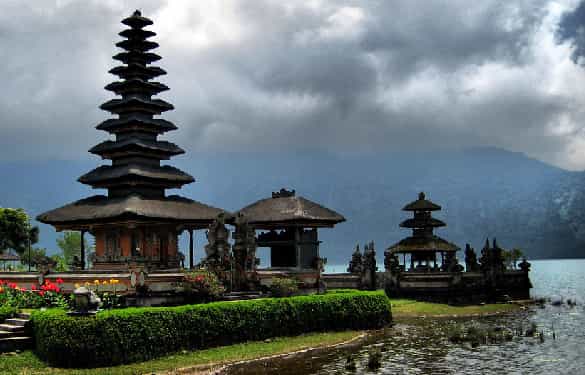
We had the pleasure of visiting Bali
Ms. Beena Shah & Mr. Pravin Shah
We had the pleasure of visiting Bali on a tour organized by Flamingo Transworld Pvt Ltd, and I would like to express my heartfelt appreciation for the truly memorable experience. The entire tour was extremely well organized from beginning to end, ensuring a smooth and enjoyable journey without any inconvenience. Every aspect of the trip was thoughtfully planned, which made our overall experience absolutely excellent.
The tour manager, Sangitaben, was truly the best of the best. professionalism, dedication, and friendly approach made us feel comfortable and well cared for throughout the tour. They were always available to assist, guide, and ensure that every traveler had a pleasant experience. The food and accommodation arrangements were also outstanding. We were provided with excellent meals and comfortable stays that exceeded our expectations, adding great value to the overall trip.
The sightseeing schedule was very well organized, allowing us to explore beautiful locations at a relaxed pace without feeling rushed. Each destination was carefully selected, and the arrangements ensured that we could fully enjoy the natural beauty and cultural richness of Bali. Safety was given topmost priority throughout the tour, which gave us complete peace of mind while traveling.
One of the highlights of the trip was the wonderful celebration of Valentine’s Day, which was organized in a very special and memorable way. The thoughtful arrangements and joyful atmosphere made the occasion truly delightful for everyone.
Overall, this tour was an exceptional experience filled with comfort, enjoyment, and unforgettable memories. I would love to travel again in the future with Flamingo and experience more such wonderful journeys. I highly recommend this tour company to my friends and family for their excellent service, careful planning, and commitment to providing an outstanding travel experience.
Beena and I (Pravin Shah) would personally like to acknowledge Sangitaben’s efforts and her kindness. We sincerely wish her continued success and all the very best in the future. We also hope her dedication and hard work receive the recognition she truly deserves from senior management.
THANK YOU!!!
Highly Recommended Tour Experience with Flamingo
Mr. Neel Patel
Me and my husband recently traveled to Paris and Switzerland with Flamingo Travel and had a truly great experience. The trip was very well-organized, hotels were comfortable, and the sightseeing itinerary covered all the highlights. Everything went smoothly, and we came back with beautiful memories.
A special thanks to Mrs. Unnati Jariwala, our tour manager, for her professional guidance and friendly support throughout the journey.
Overall, it was a fantastic experience. We would highly recommend Flamingo to anyone looking for a comfortable, enjoyable, and well-managed tour!
Highlights of South Asia journey
Ms. Bharti Patel
I like to know History and Culture of different country.I like Thai culture,saw

31st Jan Southeast Asia Tour
Mr. Yayati Patel
Singapore Malaysia Tour-21st Dec to 31st Dec
Mr. Chetan Gandhi
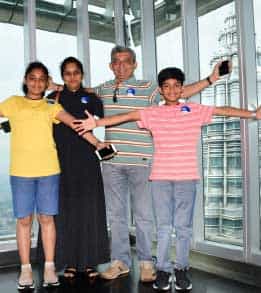
Hotel Food And Staff Services Was Very Nice
Mr. Shambahadur Thakur
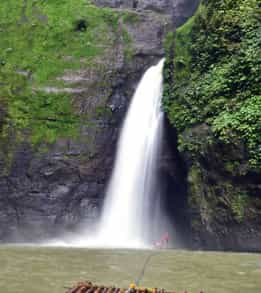
We Love Partnering With You On Our Travels!
Priyanka Desai
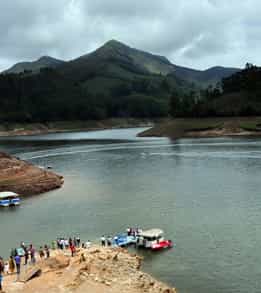
We Have Enjoyed Our Dubai Trip!
Mr. Rahul Bhasin
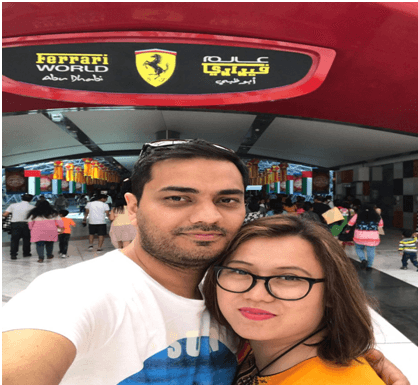
We Couldn’t Dream Of A Better Vacation Than This!
Mr. Neeraj Amin
Thanks Flamingo Team To Make Our Dream Come True
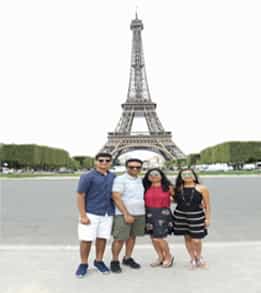
Mr. & Mrs. Nehal Gandhi
Trending travel articles
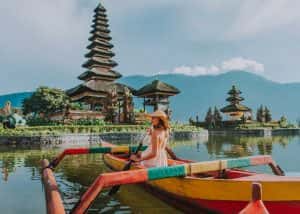
Summary: Looking for a budget-friendly Bali trip in 2026? This blog shows how you can enjoy a relaxing 5-day Bali Trip under ?30000/- by choosing smart stays, simple food and the right places. Perfect for first-time Indian travellers looking for a budget-friendly Bali holiday. We all have seen tons of pics of temples, Bali Swing, […]
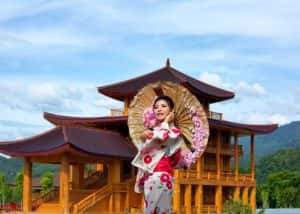
Summary: Your dream of exploring Japan is possible, even with a strict budget! This blog shares how Japan tour packages from India under ?3 lakh are possible. It covers real costs, budget tips, the best time to visit, and much more. It helps you understand how to save money and still enjoy a great Japan […]
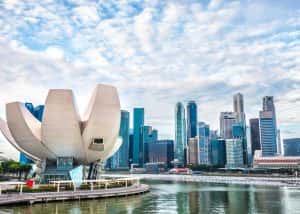
Summary: A trip to Singapore can fit your budget with the right plan. This blog explains how Singapore tour packages from India under ?1 lakh work, what costs to expect, and how to save money. It helps you understand the best places to visit in Singapore in 2026 so you can enjoy this island country […]

Summary: Indian restaurants in Hanoi are more than just places to eat. They serve Indian food with a Vietnamese welcome. Whether you are a vegetarian, prefer halal food, or just miss home-style dal, these restaurants have it all. Every meal is served with care and a friendly smile, making you feel right at home in […]
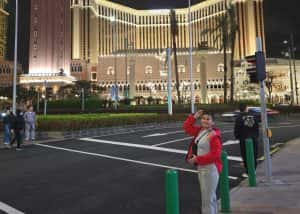
Summary: Macau Travel – Macau is a city that never slows down—filled with luxury hotels, thrilling attractions, endless nightlife, and unforgettable energy. From staying at The Venetian to breathtaking Macau Tower views and vibrant casinos, Muskan Golecha’s experience captures the true spirit of a city that you don’t just visit, you live! Macau is one […]
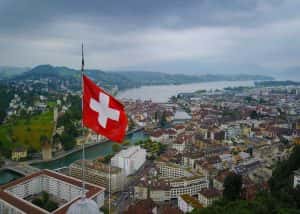
Summary: If you want a calm, scenic, and well-paced trip, this 10 days itinerary for Switzerland is made for you. It suits families, honeymooners, seniors, and solo travellers. This plan combines top attractions with relaxed, easy travel days. It also keeps Indian comfort in mind. Read on to get the full day-by-day plan, smart tips, […]
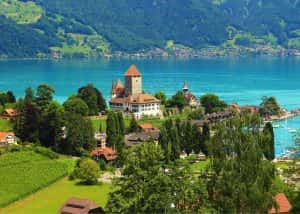
Summary: Switzerland in winter 2026 is pure magic, snow-dusted Alps, glittering Christmas markets, and cozy wooden chalets bring fairytales to life. Whether you are sipping hot chocolate by the beautiful Swiss lakes or exploring the festive streets of cities, it feels like a movie. Perfect for Indian travellers, families, and honeymooners. This blog helps you […]
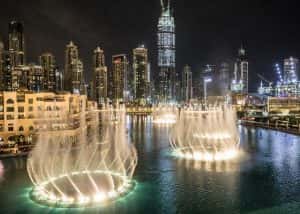
Summary: Experience the magic of Christmas in Dubai 2025, where the city sparkles with lights, music, and festive cheer. From grand events to lively markets and fireworks, every corner feels joyful. Enjoy delicious food, family fun, and exciting shopping deals during the Dubai festive season. Plan your trip easily with Dubai Tour Packages and make […]
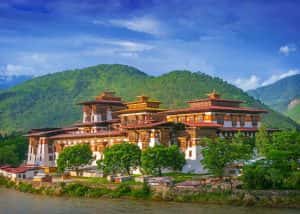
Summary: Experience the magic of a trip to Bhutan in December 2025, with clear skies, vibrant festivals, fewer crowds, and stunning mountain views. This blog guides you through weather updates, travel tips, places to visit, and must-try experiences for your perfect Bhutan holiday. Plan your relaxing, crowd-free visit to Bhutan and experience the authentic charm […]
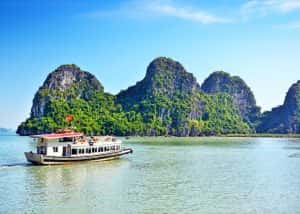
Summary: Trip To Vietnam Under ?60000 – Dreaming of travelling to Vietnam without stretching your wallet? This blog shares how to plan your trip to Vietnam under ?60,000. It shares everything, including flights, hotels, meals, and activities. Discover must-visit cities, real cost breakdown, and much more to make your Vietnam tour package memorable yet budget-friendly. […]