Best time to visit in Bhutan
Peak Season in Bhutan – March to May & September to November
- Weather: From March to May, days are warm and sunny with temperatures ranging from 15°C to 25°C in the valleys. March nights can still be cool. April is warmer and more comfortable, making it ideal for sightseeing and trekking. From September to November - After the monsoon, Bhutan looks its best. Daytime temperatures stay pleasant, and evenings are slightly cool. October is often seen as the best month to visit, with clear skies and stunning views of the Himalayan Mountains.
- Sightseeing & Trekking Conditions: Roads are open and easy to travel, and all dzongs and monasteries can be visited. Views are very clear, especially from places like Dochula Pass, making it a great time for sightseeing, monastery visits, and hiking, including the Tiger’s Nest trail.
- Best Places to Visit: Paro, Thimphu, Punakha Valley, Bumthang Valley
- Crowd & Pricing: Peak tourist season brings higher demand, so hotels in Paro and Thimphu fill up quickly, and prices are highest in April and October. Flights on Drukair and Bhutan Airlines have limited seats, and premium Bhutan tour packages are in high demand. Booking your trip to Bhutan 3–6 months in advance is recommended, though the country still feels calm thanks to its controlled approach to tourism.
- Things to Note: Perfect for summer holidays, Durga Puja, and Diwali vacations, especially for Indian travellers. Indian travellers do not need a visa. Just a permit through a licensed Bhutanese tour operator. The SDF is only ₹1,200 per person per night (children 6–12 get 50% off; under 5 are free). Book your trip early if travelling during festival periods.
Shoulder Season in Bhutan - December & February
- Weather: December and January are the coldest months. Night-time temperatures drop to 0°C in Paro and Thimphu, and days are 10–15°C. February warms up a bit. Punakha stays pleasant even in winter at 18–20°C. Pack warm layers. Higher elevations may see snow.
- Sightseeing & Travel Conditions: In winter, lower valleys like Paro, Thimphu, and Punakha remain easy to explore, with dzongs and monasteries open and fewer crowds. Some high mountain routes may be affected by snow, but it is a good time for relaxed cultural travel and short day hikes.
- Best Places to Visit: Punakha Valley, Thimpu, Phobjikha Valley, and Paro
- Crowd & Pricing: Winter brings fewer visitors, better hotel availability, and more affordable prices. Bhutan tour packages during December–February are much more affordable than peak season, with flexible itinerary options. Cold evenings and limited access at high-altitude are the only trade-offs.
- Things to Note: Winter is a good option for Indian travellers from warmer cities who want cool mountain weather without extreme cold. Punakha stays warmer and works well for peaceful travel and year-end holidays, especially around Christmas, New Year, and Punakha Drubchen. Carry proper winter clothing, especially for evenings.
Off-Season in Bhutan – June to August
- Weather: June to August sees frequent rain and cloudy skies, especially later in the day. The landscapes turn lush and green, and while humidity is higher, the rain is usually lighter than in many parts of India.
- Sightseeing & Travel Conditions: During the monsoon, travel needs careful planning due to rain-related road delays and landslides in some regions. Slippery trekking trails make high-altitude treks unsuitable. Stick to Paro and Thimphu, keep flexible travel plans, and avoid itineraries that depend on central Bhutan transfers.
- Best Places to Visit: Thimpu, Paro, and Haa Valley.
- Crowd & Pricing: Monsoon is Bhutan’s lowest season and the most affordable time to travel. Bhutan tour packages are cheaper, with the lowest tourist crowds of the year and more affordable hotels and flights.
- Things to Note: For Indian travellers visiting in June or July, Bhutan is still a good option with simple planning. It is the best time for a budget Bhutan trip, with fewer crowds and peaceful travel, especially if you focus on Paro and Thimphu and keep your plans flexible.
Which Months are best for Your Trip to Bhutan?
For Families & Short Trips from India
For Honeymooners & Couples
For Budget travellers
For Culture & Festival Experiences
For Trekkers & Adventure Travellers
Best Time to Visit Bhutan Based on What You Want to Do in Bhutan
Best Time for Tiger’s Nest Hike
Best Time for Festivals in Bhutan
Best Time for Trekking in Bhutan
Best Time for Scenic Views & Photography
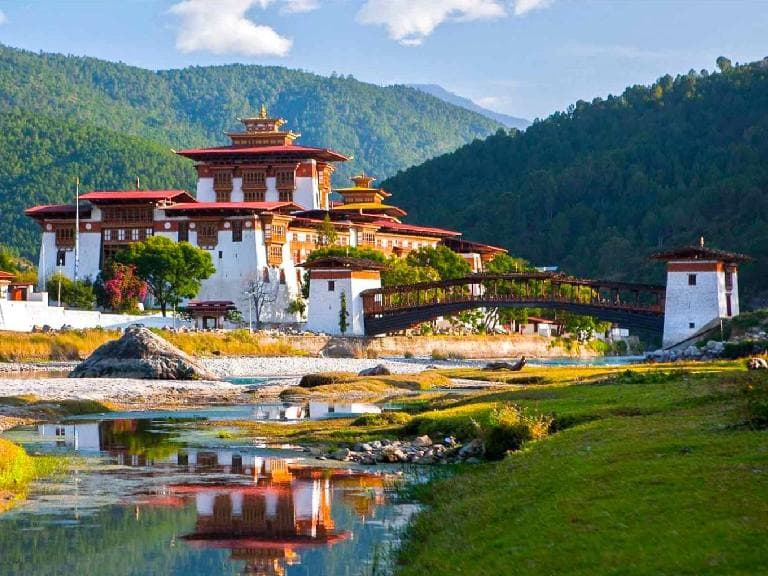
Happy Travellers
We had the pleasure of visiting Bali
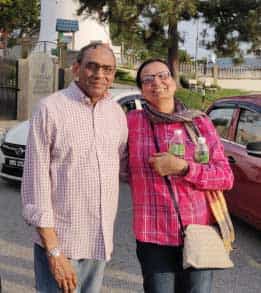
Ms. Beena Shah & Mr. Pravin Shah
We had the pleasure of visiting Bali on a tour organized by Flamingo Transworld Pvt Ltd, and I would like to express my heartfelt appreciation for the truly memorable experience. The entire tour was extremely well organized from beginning to end, ensuring a smooth and enjoyable journey without any inconvenience. Every aspect of the trip was thoughtfully planned, which made our overall experience absolutely excellent.
The tour manager, Sangitaben, was truly the best of the best. professionalism, dedication, and friendly approach made us feel comfortable and well cared for throughout the tour. They were always available to assist, guide, and ensure that every traveler had a pleasant experience. The food and accommodation arrangements were also outstanding. We were provided with excellent meals and comfortable stays that exceeded our expectations, adding great value to the overall trip.
The sightseeing schedule was very well organized, allowing us to explore beautiful locations at a relaxed pace without feeling rushed. Each destination was carefully selected, and the arrangements ensured that we could fully enjoy the natural beauty and cultural richness of Bali. Safety was given topmost priority throughout the tour, which gave us complete peace of mind while traveling.
One of the highlights of the trip was the wonderful celebration of Valentine’s Day, which was organized in a very special and memorable way. The thoughtful arrangements and joyful atmosphere made the occasion truly delightful for everyone.
Overall, this tour was an exceptional experience filled with comfort, enjoyment, and unforgettable memories. I would love to travel again in the future with Flamingo and experience more such wonderful journeys. I highly recommend this tour company to my friends and family for their excellent service, careful planning, and commitment to providing an outstanding travel experience.
Beena and I (Pravin Shah) would personally like to acknowledge Sangitaben’s efforts and her kindness. We sincerely wish her continued success and all the very best in the future. We also hope her dedication and hard work receive the recognition she truly deserves from senior management.
THANK YOU!!!
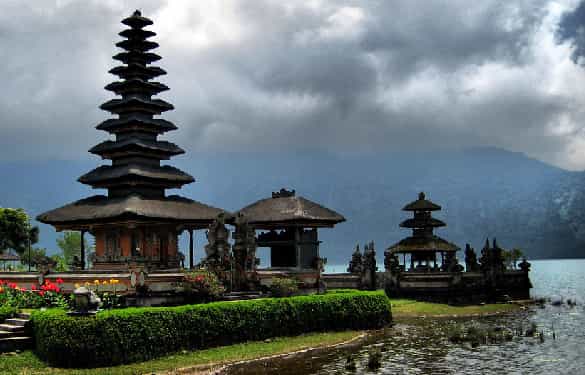
Highly Recommended Tour Experience with Flamingo
Mr. Neel Patel
Me and my husband recently traveled to Paris and Switzerland with Flamingo Travel and had a truly great experience. The trip was very well-organized, hotels were comfortable, and the sightseeing itinerary covered all the highlights. Everything went smoothly, and we came back with beautiful memories.
A special thanks to Mrs. Unnati Jariwala, our tour manager, for her professional guidance and friendly support throughout the journey.
Overall, it was a fantastic experience. We would highly recommend Flamingo to anyone looking for a comfortable, enjoyable, and well-managed tour!
Highlights of South Asia journey
Ms. Bharti Patel
I like to know History and Culture of different country.I like Thai culture,saw
31st Jan Southeast Asia Tour
Mr. Yayati Patel
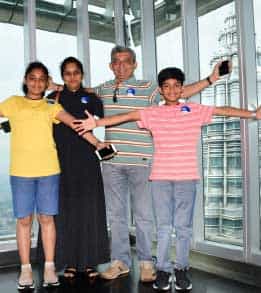
Singapore Malaysia Tour-21st Dec to 31st Dec
Mr. Chetan Gandhi
Hotel Food And Staff Services Was Very Nice
Mr. Shambahadur Thakur
We Love Partnering With You On Our Travels!
Priyanka Desai
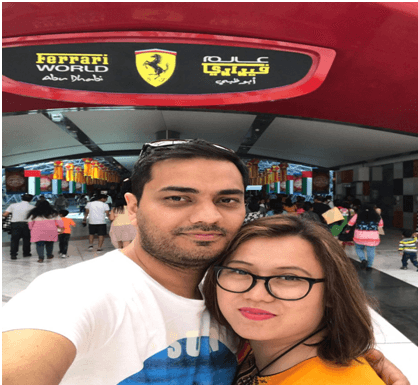
We Have Enjoyed Our Dubai Trip!
Mr. Rahul Bhasin
We Couldn’t Dream Of A Better Vacation Than This!
Mr. Neeraj Amin
Thanks Flamingo Team To Make Our Dream Come True
Mr. & Mrs. Nehal Gandhi
Trending travel articles
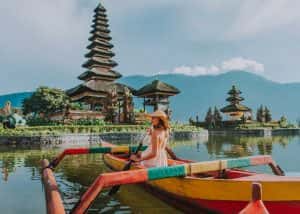
Summary: Looking for a budget-friendly Bali trip in 2026? This blog shows how you can enjoy a relaxing 5-day Bali Trip under ?30000/- by choosing smart stays, simple food and the right places. Perfect for first-time Indian travellers looking for a budget-friendly Bali holiday. We all have seen tons of pics of temples, Bali Swing, […]
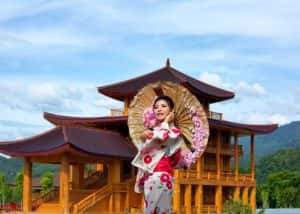
Summary: Your dream of exploring Japan is possible, even with a strict budget! This blog shares how Japan tour packages from India under ?3 lakh are possible. It covers real costs, budget tips, the best time to visit, and much more. It helps you understand how to save money and still enjoy a great Japan […]
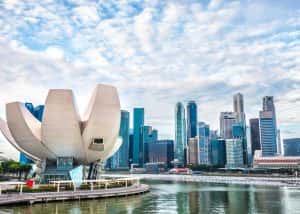
Summary: A trip to Singapore can fit your budget with the right plan. This blog explains how Singapore tour packages from India under ?1 lakh work, what costs to expect, and how to save money. It helps you understand the best places to visit in Singapore in 2026 so you can enjoy this island country […]
Summary: Indian restaurants in Hanoi are more than just places to eat. They serve Indian food with a Vietnamese welcome. Whether you are a vegetarian, prefer halal food, or just miss home-style dal, these restaurants have it all. Every meal is served with care and a friendly smile, making you feel right at home in […]
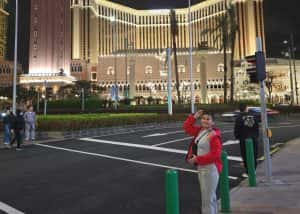
Summary: Macau Travel – Macau is a city that never slows down—filled with luxury hotels, thrilling attractions, endless nightlife, and unforgettable energy. From staying at The Venetian to breathtaking Macau Tower views and vibrant casinos, Muskan Golecha’s experience captures the true spirit of a city that you don’t just visit, you live! Macau is one […]
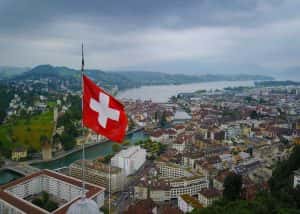
Summary: If you want a calm, scenic, and well-paced trip, this 10 days itinerary for Switzerland is made for you. It suits families, honeymooners, seniors, and solo travellers. This plan combines top attractions with relaxed, easy travel days. It also keeps Indian comfort in mind. Read on to get the full day-by-day plan, smart tips, […]
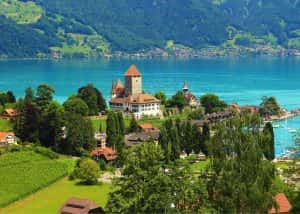
Summary: Switzerland in winter 2026 is pure magic, snow-dusted Alps, glittering Christmas markets, and cozy wooden chalets bring fairytales to life. Whether you are sipping hot chocolate by the beautiful Swiss lakes or exploring the festive streets of cities, it feels like a movie. Perfect for Indian travellers, families, and honeymooners. This blog helps you […]
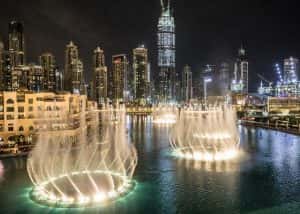
Summary: Experience the magic of Christmas in Dubai 2025, where the city sparkles with lights, music, and festive cheer. From grand events to lively markets and fireworks, every corner feels joyful. Enjoy delicious food, family fun, and exciting shopping deals during the Dubai festive season. Plan your trip easily with Dubai Tour Packages and make […]
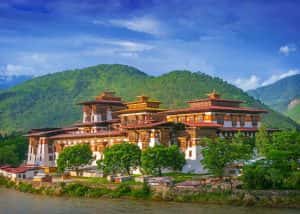
Summary: Experience the magic of a trip to Bhutan in December 2025, with clear skies, vibrant festivals, fewer crowds, and stunning mountain views. This blog guides you through weather updates, travel tips, places to visit, and must-try experiences for your perfect Bhutan holiday. Plan your relaxing, crowd-free visit to Bhutan and experience the authentic charm […]
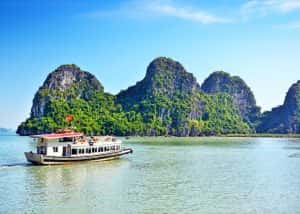
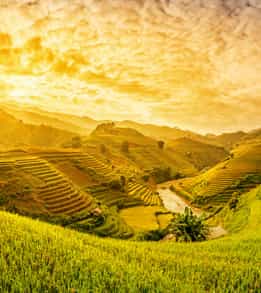
Summary: Trip To Vietnam Under ?60000 – Dreaming of travelling to Vietnam without stretching your wallet? This blog shares how to plan your trip to Vietnam under ?60,000. It shares everything, including flights, hotels, meals, and activities. Discover must-visit cities, real cost breakdown, and much more to make your Vietnam tour package memorable yet budget-friendly. […]